
Potable Water Containment — Performance Before Installation
Applications
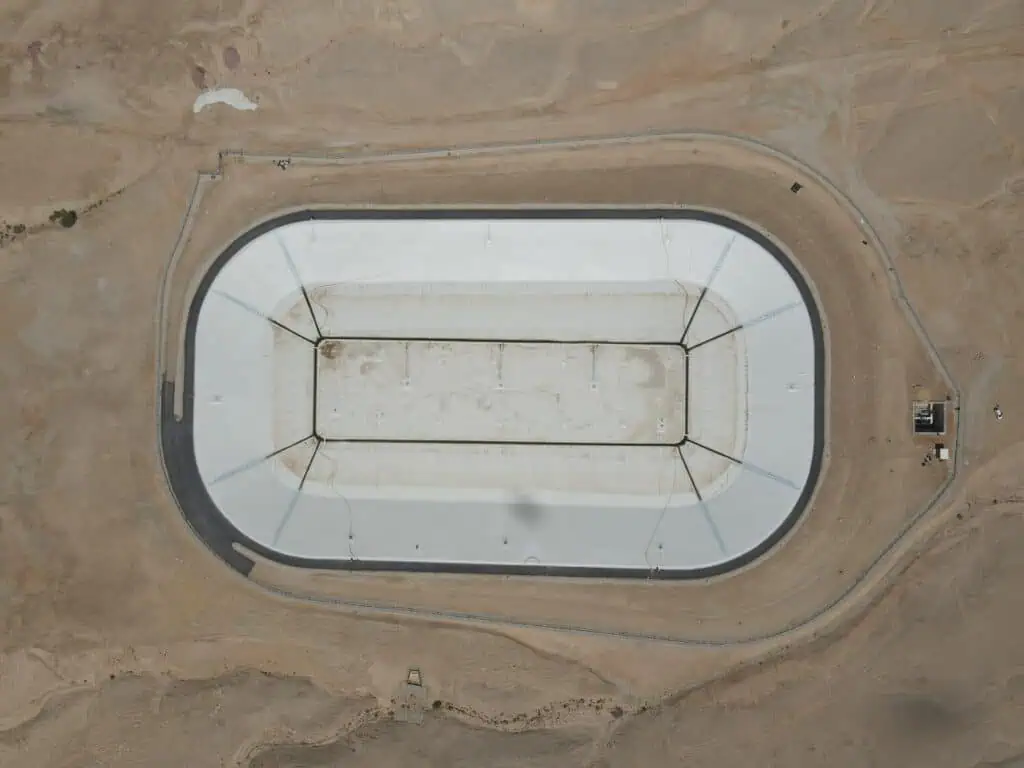
Municipal Reservoirs
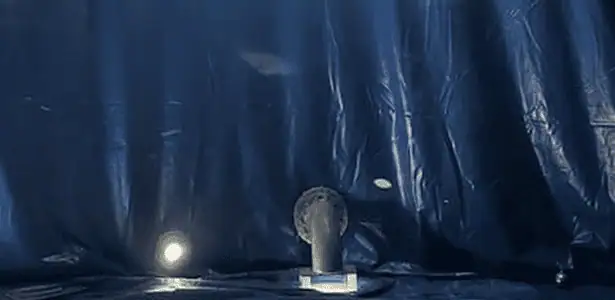
Potable Water Storage Tanks
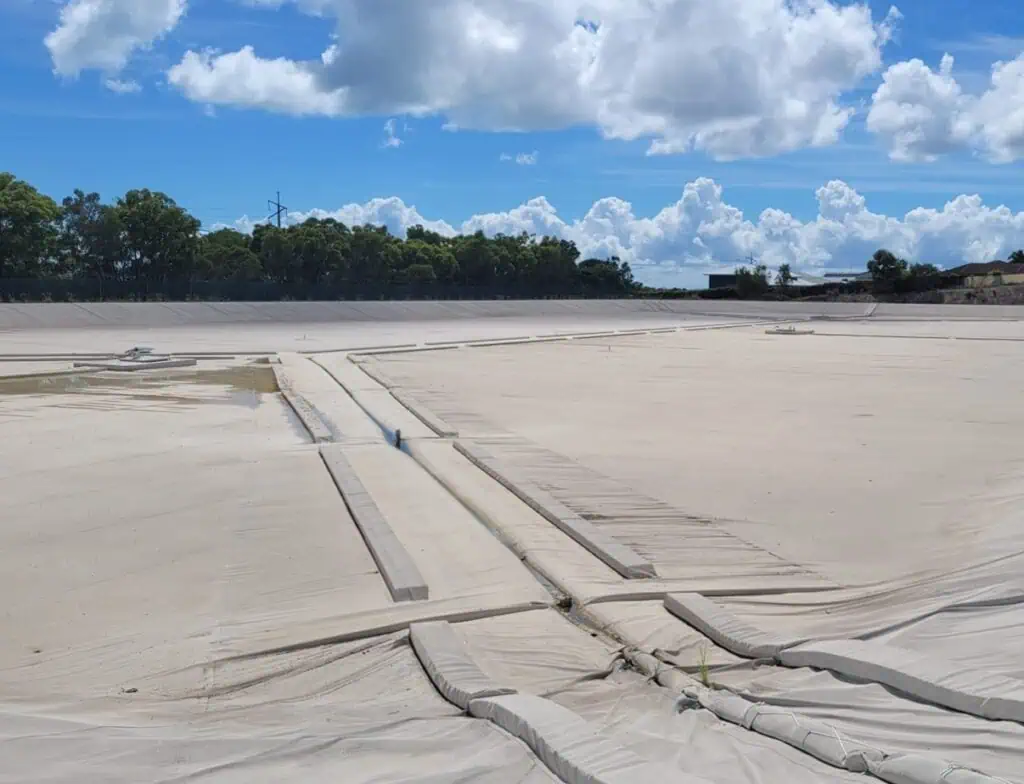
Floating Covers
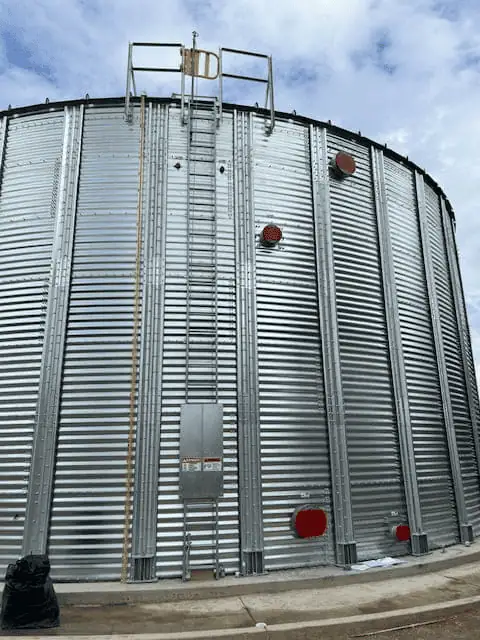
Emergency Water Storage Systems
Why Early Handling Matters
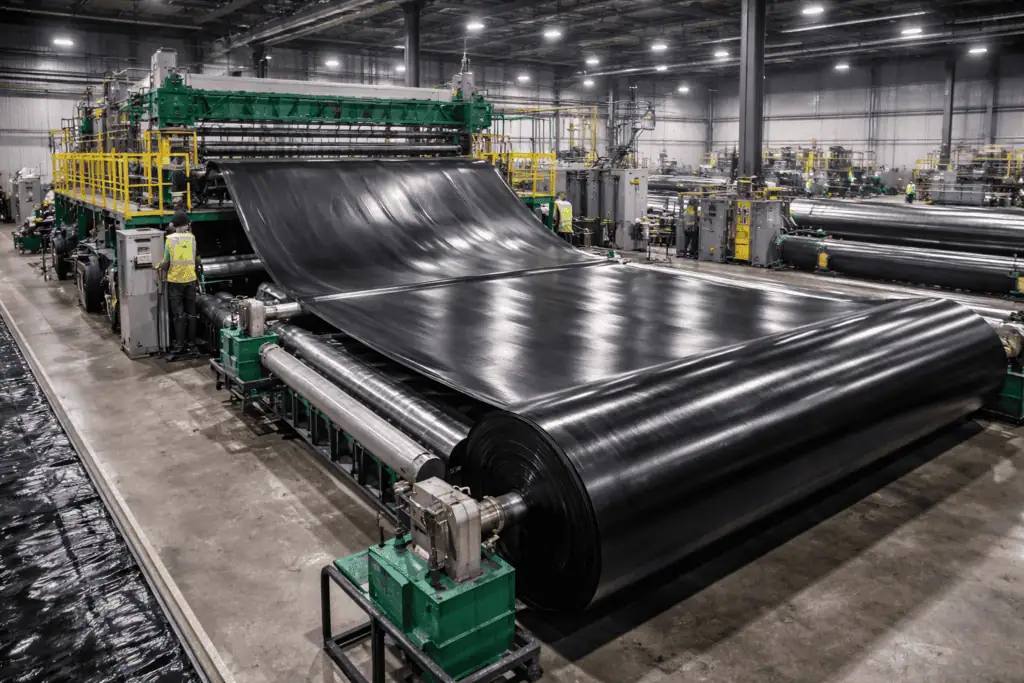
In potable water storage systems, liner performance can be influenced long before commissioning.
Fabrication, folding, compression and transport introduce stress variables that may not be visible during installation but affect long-term behavior under hydrostatic load.
Micro-Creases During Folding
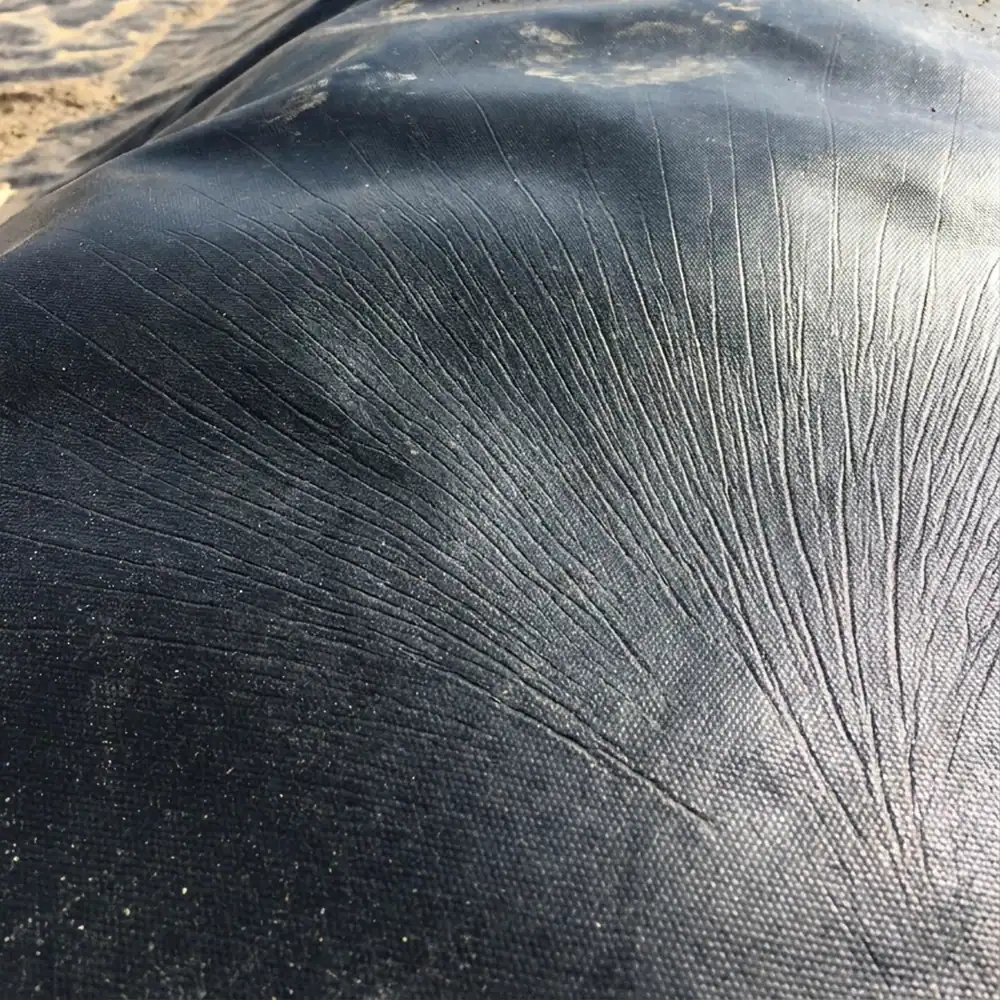
During fabrication and staging, geomembranes are folded and compressed.
Micro-creases may:
- Reduce flexibility retention
- Create stress concentration points
- Influence long-term tensile behavior
For potable systems under sustained pressure, these early stresses matter.
Chlorine Exposure Over Time
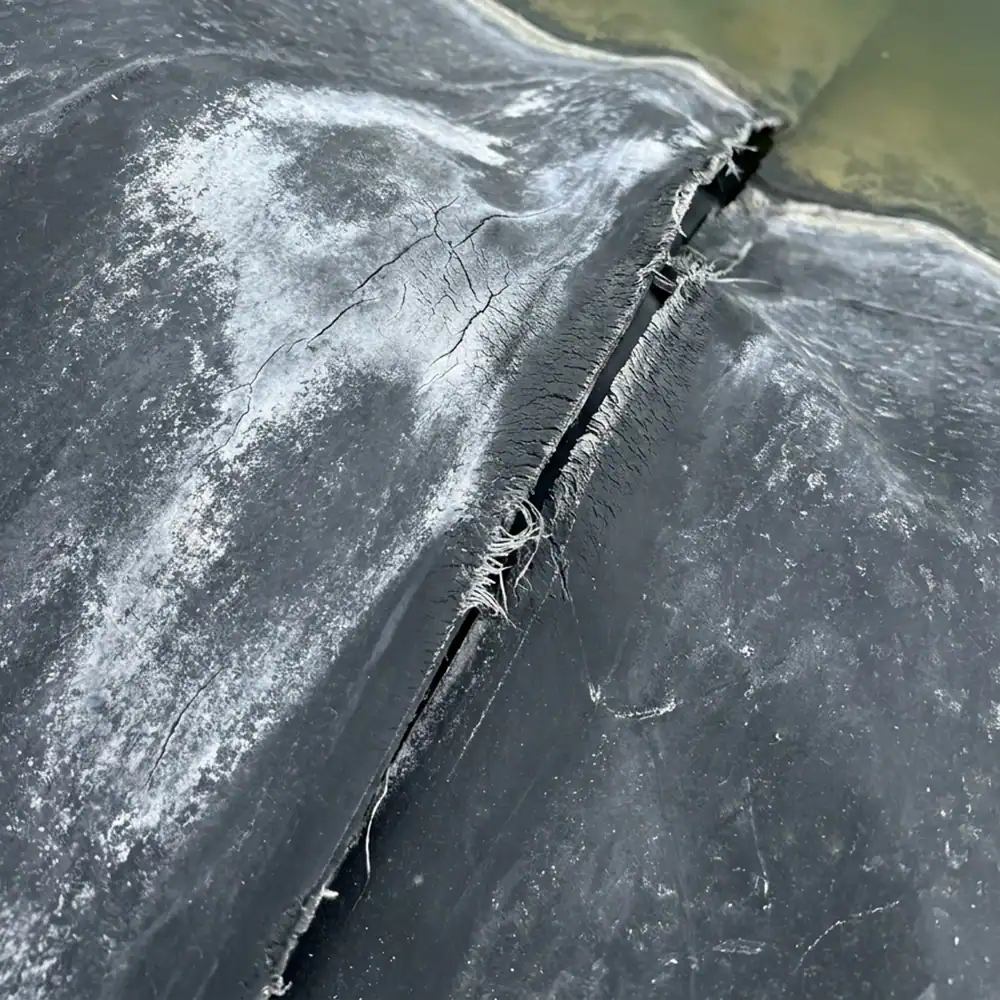
Potable systems require disinfection. That means continuous chemical exposure that can degrade material properties if not properly accounted for.
Engineers should evaluate:
- Continuous disinfection drives chemical degradation
- Not all geomembranes respond the same way
- Long-term resistance matters more than initial specs
Short-term lab data alone does not always reflect sustained exposure behavior.
Stress Cracking Under Load
Geomembranes must perform under tension, settlement, and pressure.
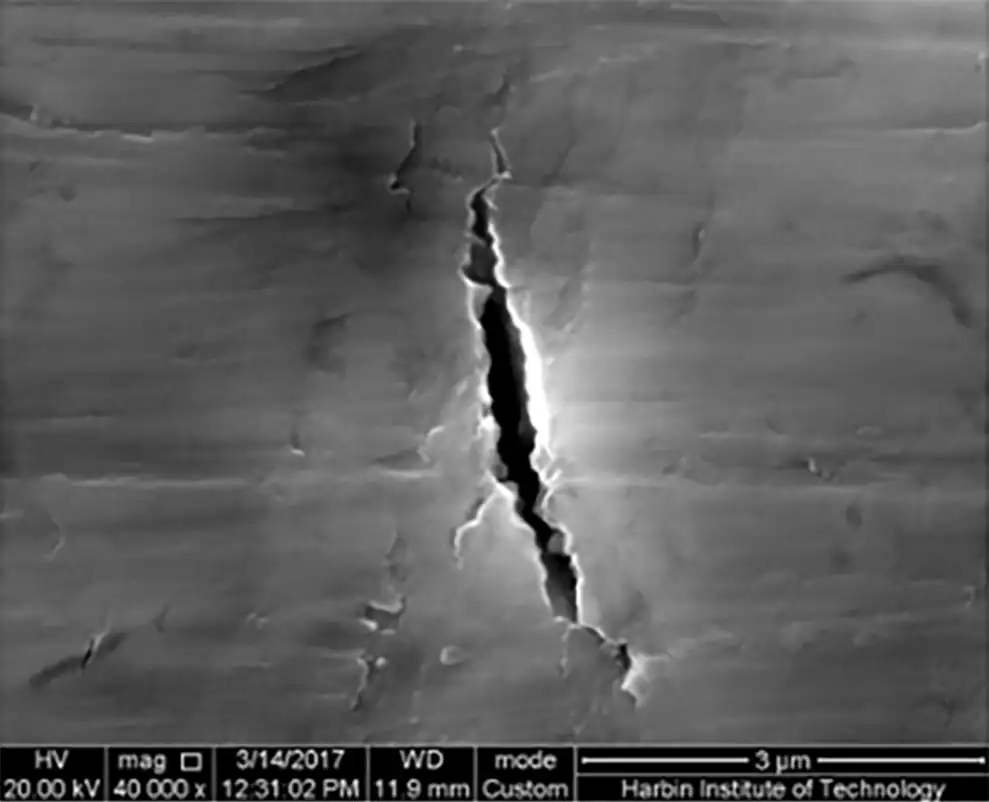
Certain materials are more susceptible to stress cracking—especially when combined with chemical exposure.
In susceptible materials, stress cracking may initiate at micro-defects or weld transitions.
Stress cracking resistance is a critical evaluation factor in potable containment.
What Engineers Should Evaluate
When assessing geomembranes for potable applications:
- Flexibility after repeated folding
- Long-term chlorine exposure performance
- Stress cracking resistance
- Seam quality consistency
- CQA documentation structure
These variables influence long-term containment defensibility.
Why Engineers Choose E Squared
✅ Certified materials
✅ Fast documentation turnaround
✅ Custom fabrication options
✅ Global supply capability
✅ Direct engineering support
Key Differentiators
Key differentiators of E Squared EIA geomembrane product over their competition:
E Squared EIA geomembranes are engineered with a proprietary blend of high-quality materials, offering superior strength, flexibility, and chemical resistance compared to conventional geomembranes.
E Squared EIA geomembranes are designed to withstand harsh environmental conditions, including UV exposure, extreme temperatures, and chemical exposure, ensuring long-term performance and reliability.
E Squared offers tailored geomembrane solutions to meet specific project requirements, including thickness options, material compositions, and custom sizing, providing flexibility and optimization for various applications.
E Squared employs state-of-the-art seaming techniques to ensure strong and reliable connections between geomembrane panels, minimizing the risk of leaks and enhancing overall system integrity.
E Squared geomembranes undergo rigorous testing and certification processes to meet industry standards and regulatory requirements, providing assurance of performance, safety, and environmental compliance.
E Squared is committed to sustainability and environmental stewardship, utilizing eco-friendly manufacturing processes and materials, and offering geomembrane options that support water conservation and resource management initiatives.
E Squared provides comprehensive installation support, including technical assistance, training, and guidance from experienced professionals, ensuring proper installation and maximizing the effectiveness of the geomembrane system.
E Squared has a proven track record of successful geomembrane installations in a wide range of potable water applications, demonstrating reliability, performance, and customer satisfaction over time.
These key differentiators set E Squared EIA geomembranes apart from the competition, offering unmatched quality, performance, and support for potable water projects.
An E Squared technician will respond within one business day.